
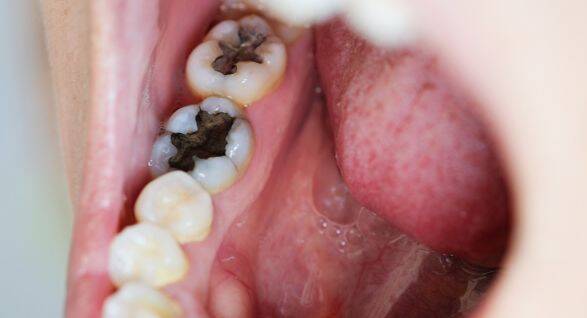
Root canal Oakville, on care may be discussed when a tooth has deep decay, nerve inflammation, infection, lingering sensitivity, biting pain, swelling, or trauma. Patients in Oakville, Burlington, and Milton should expect the dentist to examine the tooth, gums, bite, X-rays when needed, and symptom history before recommending treatment. The goal is to diagnose the source of pain and decide whether the tooth may be treated, monitored, or needs another option.
Tooth pain can be confusing because it does not always stay in one place. A patient in Oakville may feel sharp pain with cold drinks. Someone in Burlington may feel pressure when biting. A patient in Milton may notice swelling near a tooth that has been sensitive for weeks.
Planning for root canal Oakville, on care should begin with diagnosis. The dentist may need to check the tooth, gums, bite, old fillings, nerve response, and X-rays when needed. Some teeth may need treatment inside the roots. Others may have cracks, gum problems, bite trauma, or another concern. A careful exam helps the dentist explain what is causing the pain and what options may be appropriate.
Lingering Sensitivity Needs Attention
Cold sensitivity that fades quickly may have several causes, but sensitivity that lingers should be checked. Heat sensitivity, spontaneous pain, or discomfort that wakes a patient at night may suggest deeper irritation.
During evaluation, root canal in Oakville, on care may be discussed if the nerve inside the tooth appears inflamed or infected. The dentist may test temperature response, biting pressure, and tenderness around the tooth.
The goal is to find the source before recommending treatment.
Treatment Starts with Diagnosis
A patient asking about root canal treatment in Oakville may already suspect the inside of a tooth is involved. The dentist still needs to confirm the problem before treatment begins.
Pain can come from decay, cracks, gum disease, high bite pressure, sinus pressure, or another nearby tooth. X-rays, clinical tests, and symptom history help narrow the cause.
A second conversation about root canal treatment in Oakville may happen after the dentist explains whether the tooth can be restored.
Understanding the Dental Purpose
Patients searching for root canal dental information may want to know what the treatment is meant to do. Root canal care is usually considered when the inside of a tooth is inflamed or infected, and the tooth may still be saved.
The dentist removes affected tissue inside the tooth, cleans and shapes the canals, and seals the space. A final restoration may be needed later to protect the tooth.
A second use of root canal dental belongs in the discussion of why treatment is different from a filling.
Pain Relief Depends on the Cause
A patient looking for root canal pain relief may want the discomfort to stop quickly. The right care depends on whether the pain comes from nerve inflammation, infection, a crack, gum disease, or bite pressure.
The dentist may recommend treatment only after identifying the source. In some cases, urgent care may begin with diagnosis, medication when appropriate, or another step before final treatment.
A second mention of root canal pain relief should include that relief depends on treating the cause, not masking symptoms.
Therapy Is Only One Possible Path
Root canal therapy may be recommended when the tooth can be treated and restored. It is not the right choice for every painful tooth.
If a crack extends too deeply, if the tooth has poor support, or if the damage is too severe, another option may be discussed. The dentist should explain why treatment is or is not recommended.
A second discussion of root canal therapy may include the need for a crown or other restoration after the tooth is stable.
Swelling May Signal Infection
Swelling near a tooth, pimple-like bumps on the gums, bad taste, fever, or facial swelling should be checked promptly. These may be signs of infection.
If swelling affects breathing or swallowing, emergency medical care is needed immediately. Dental infections can worsen without proper evaluation.
Even if pain improves, infection may still be present.
Biting Pain Can Point to Different Problems
Pain when biting or releasing pressure may come from a cracked tooth, inflamed ligament, deep cavity, high restoration, or nerve involvement.
The dentist may use a bite test to identify which tooth is causing symptoms. X-rays may help, but not every crack is visible on an image.
Biting pain should be diagnosed before treatment is chosen.
Old Fillings Can Hide New Problems
Large or older fillings may weaken over time, especially if the tooth has lost a lot of structure. Decay can also form around restoration edges.
A tooth with an old filling may crack, leak, or develop deep decay without obvious early symptoms. Patients may notice food trapping, roughness, sensitivity, or pressure.
The dentist may need to check whether the tooth is still restorable.
What Happens During the Visit
Before the appointment, patients should mention when pain starts, what triggers it, whether it lingers, and whether swelling or fever is present. Medications, allergies, health history, and dental anxiety should also be shared.
During a visit with Tanglewood Dental Office, the dentist may examine the teeth, gums, bites, old restorations, and surrounding tissues. X-rays or specific tests may be recommended to understand nerve health and bone support.
After the exam, patients should understand what the findings suggest.
A Tooth Can Feel Better Before It Gets Worse
Sometimes severe pain fades, but that does not always mean the tooth is healthy. The nerve may have changed while infection or inflammation remains.
In these cases, root canal Oakville, on evaluation may still be needed if swelling, pressure, or a pimple on the gums appears. Patients should not assume that pain relief means the problem is gone.
A dental exam can show whether treatment is still needed.
Treatment May Take More Than One Step
Some cases can be managed in one visit, while others may need staged care. The dentist may need to address infection, place a temporary restoration, or wait until symptoms settle before final restoration.
If the tooth is treated inside the roots, it may need a crown or other protective restoration afterward. Back teeth often need more protection because they handle chewing pressure.
The final plan depends on the tooth condition.
Why Restoring the Tooth Matters
After treatment inside the tooth, the remaining structure may still be weak from decay, cracks, or old fillings. A final restoration helps protect the tooth from fracture and leakage.
The dentist may recommend a filling, crown, or another option depending on how much tooth remains. Without proper restoration, the tooth may be at a higher risk of future problems.
Treatment and restoration should be planned together.
Home Care Before the Appointment
Patients should avoid chewing on the painful side if biting hurts. They should keep the area clean and follow any instructions given by the dental office.
Pain medicine should only be used as directed and does not replace diagnosis. Antibiotics, when prescribed, do not fix the tooth source by themselves.
Severe swelling, fever, trauma, or trouble swallowing should be addressed promptly.
Benefits of Treating the Source
For selected patients, root canal Oakville, on care may help address infection or inflammation inside a tooth while allowing the tooth to remain in place.
Benefits depend on the diagnosis, tooth structure, gum support, final restoration, and daily care. Not every painful tooth can be saved, and treatment should be recommended only after evaluation.
The dentist should explain the reason for the plan and what follow-up may involve.
Local Patient Review
“I had pain that came and went for weeks. The visit helped explain why the tooth needed testing before deciding what treatment made sense.”
Tooth Pain Deserves a Clear Diagnosis
Patients in Oakville, Burlington, and Milton can make better decisions when tooth pain is tested carefully, and treatment is based on findings. Tanglewood Dental Office can help review symptoms and explain a practical next step.
Frequently Asked Questions
What symptoms may mean a tooth needs evaluation?
Lingering sensitivity, biting pain, swelling, fever, deep decay, or trauma should be checked.
Can tooth pain go away without treatment?
It may fade for a time, but the cause could still be active and should be evaluated.
Is swelling around a tooth serious?
It can be. Swelling may suggest infection and should be checked promptly.
Will every painful tooth need the same care?
No. Pain can come from decay, cracks, gum issues, bite pressure, or nerve inflammation.
Why are X-rays sometimes needed?
They can help the dentist check deep decay, bone changes, infection signs, and old restorations.
Can a treated tooth still need a crown?
Yes. A weakened tooth may need protection after treatment depending on remaining structure.
What if I have trouble swallowing or breathing?
Seek emergency medical care immediately because this can be a serious warning sign.
What should I tell the dentist?
Share when pain starts, what triggers it, whether it lingers, and if swelling or fever is present.